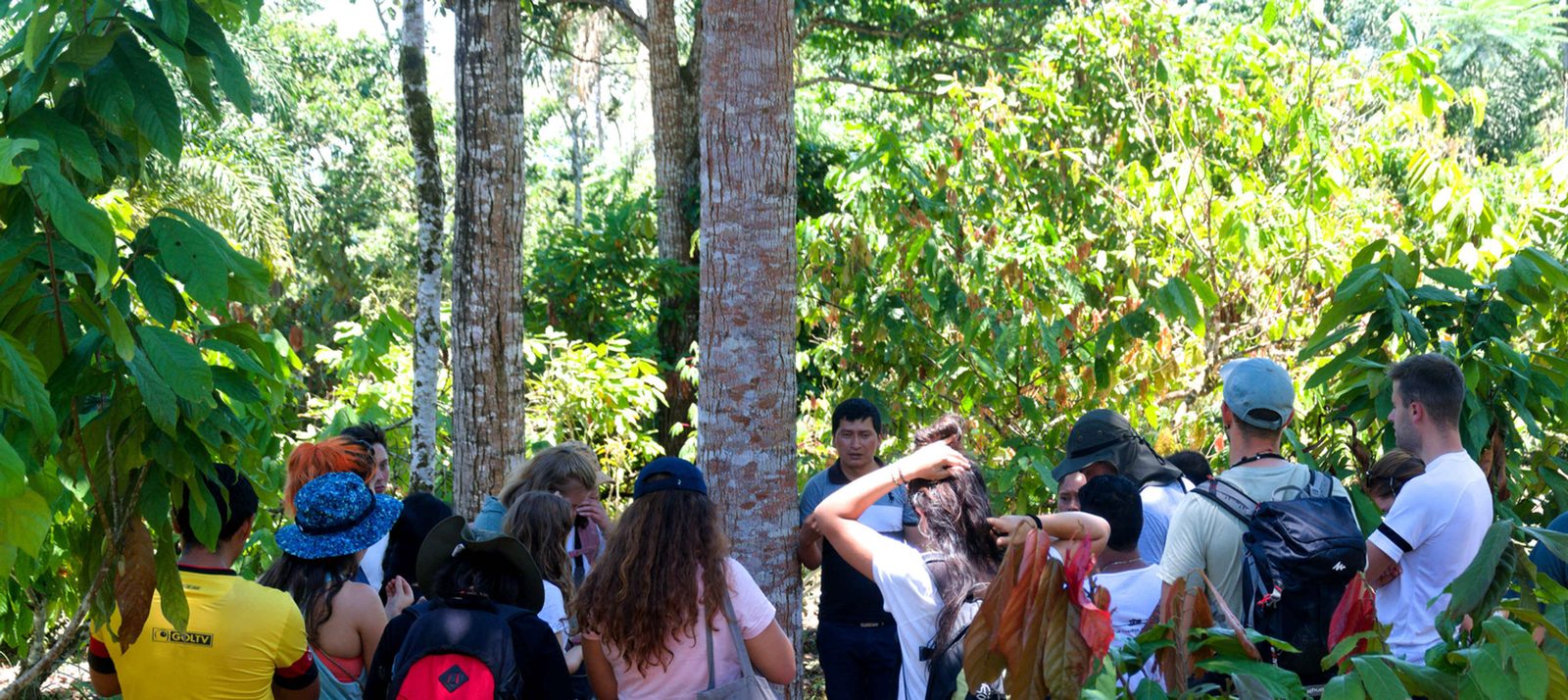
Forest canopy trees, very long chonta palms, and large macambo trees regulate shade, humidity, and wind exposure.
More personality, less white-label feeling
About WINAK
Indigenous Kichwa cooperative protecting Amazon biodiversity while building international value chains.
WINAK should feel like a living origin organisation, not an anonymous export catalog.
That is why real imagery, chakra logic, regeneration and the Kichwa context now move visibly to the front. The shop stays professional, but no longer sterile.
Animated chakra system
How a chakra is organised
Above the lower crop layer stand tall shade trees, very long chonta palms, and large macambo trees. Under them, ishpingo, salak, guayusa, cacao, plantain, orito, yuca, vanilla, and companion species are arranged in productive layers that protect soil, water, and long-term harvest stability.
Chonta palmGuayusaCacaoPlantainMacamboOritoSalakYucaLemongrassVanillaIshpingoMaizeCoffeeHibiscus
Ishpingo, salak, guayusa, cacao, coffee, and vanilla grow at complementary heights.
Yuca, maize, hibiscus, orito, and lemongrass protect soil, food resilience, and shorter harvest cycles.
Origins
Since 1996 Cooperative since 2010 Napo, Ecuador
Origins
WINAK formed in 2010, with community work starting in 1996. The cooperative focuses on sustainable Amazon agroforestry, cultural identity, and fair access to international markets.
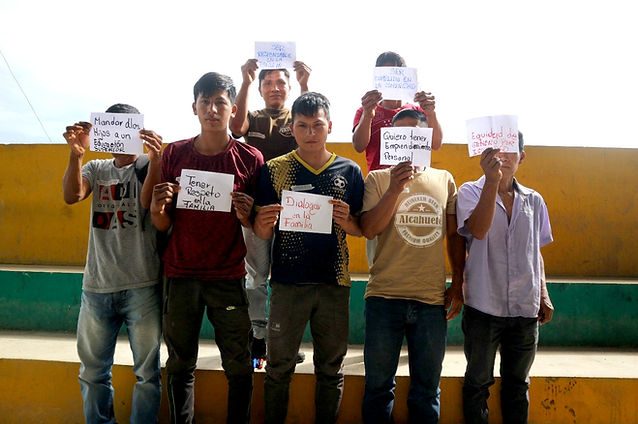
Community work, territorial organisation, and producer coordination in Napo.
WINAK links culture, agroforestry, and export-ready coordination in one structure.
Kichwa-led forest territory with producer families, lots, and regeneration work.
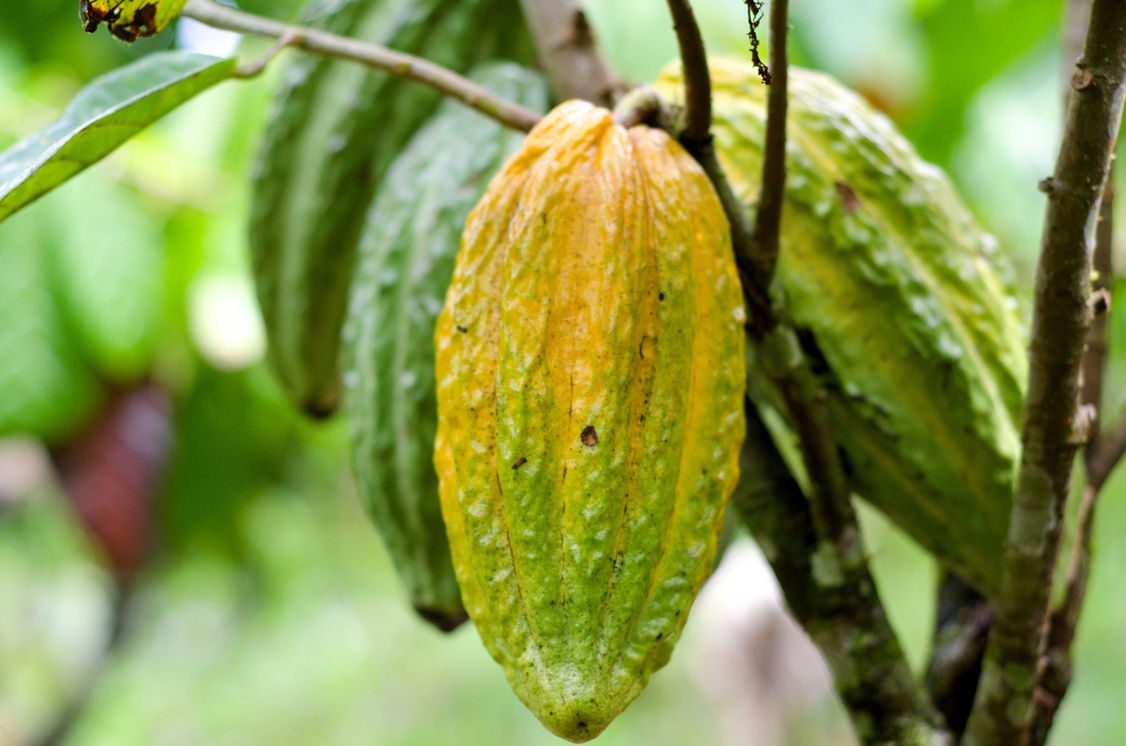
The chakra system combines cacao, guayusa, plantain, yuca, vanilla, and forest species in a multi‑layered ecosystem that protects soil, water, and biodiversity.
Conservation & nursery
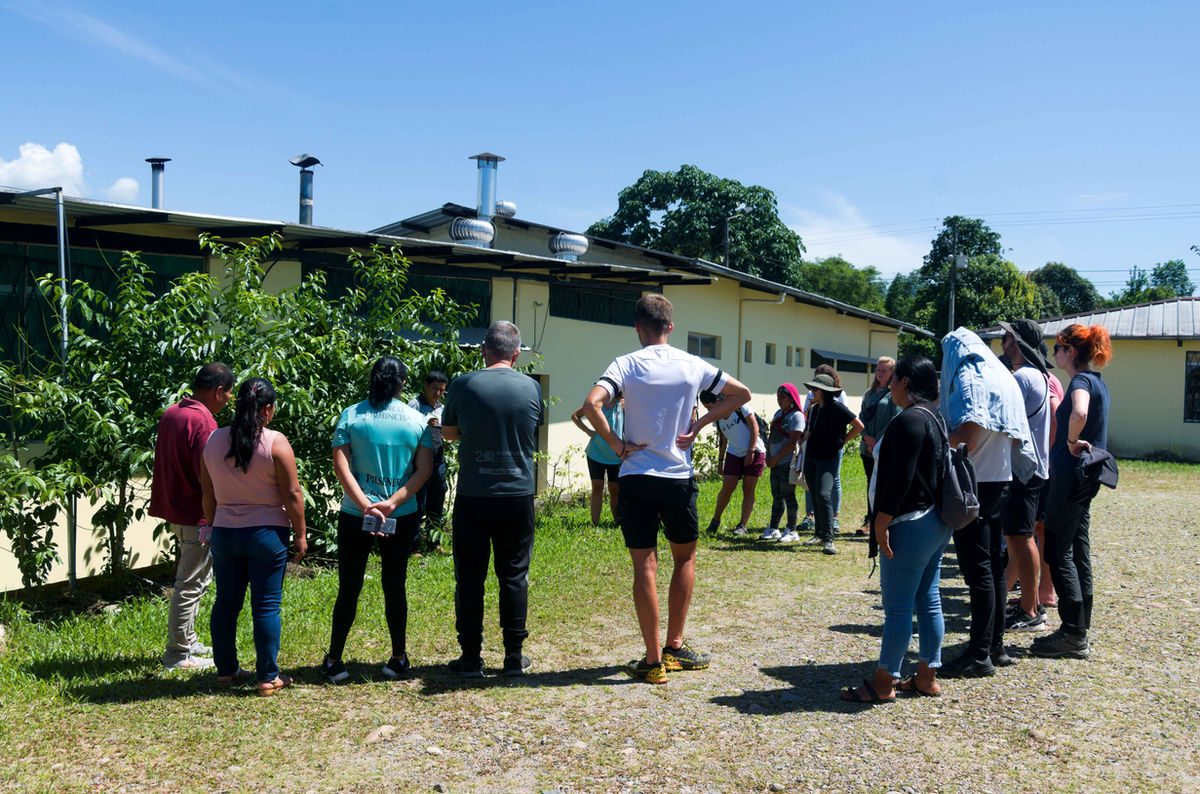
WINAK runs a nursery that propagates cedar, cinnamon, balsa, chonta (black palm), medicinal, fruit, timber, forage, and ornamental species to restore Amazon ecosystems.
Community snapshot
- 257 farming families across Napo, Ecuador
- 172 women and 91 men participating
- 263 registered community members